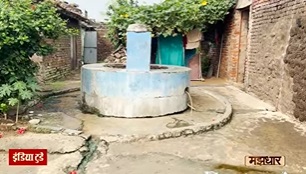
Groundwater contamination in India, public health: a prospective from two decades grassroot campaign in villages.
500 million people in India are at potential risk of arsenic poisoning, and more than five million lives have already been lost to arsenic-induced diseases over the past three decades.
Over the last 20 years, we have tested more than one million drinking water samples from affected villages across the Gangetic region, revealing the alarming scale of contamination.
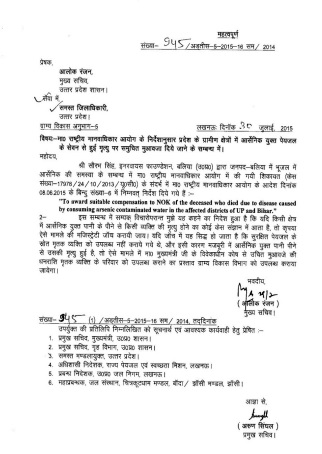
Our efforts have led to a landmark outcome: the National Human Rights Commission of India has issued an order for monetary compensation to families of people who died due to arsenicosis based on our report. The copy of humanrights commission order is available for download on our website.
India currently ranks 120th out of 122 countries on the global Water Quality Index, highlighting the depth of the crisis. Out of nearly 800 districts in the country, 300 districts are affected by arsenic contamination and 250 districts suffer from excessive fluoride in drinking water. Morbidity levels are extremely high in the Gangetic region, particularly in arsenic-affected villages, where access to medical facilities and specialized healthcare for victims remains grossly inadequate.
As a community-based organization, rehabilitation of arsenic victims and patients remains our highest priority.
Beyond arsenic and fluoride, nitrate contamination has emerged as a major threat. High nitrate levels-largely caused by excessive use of chemical fertilizers and poorly managed septic systems-have been detected in over 20% of tested groundwater samples, creating a serious public health burden across India.
Additionally, heavy metals such as lead, iron, and copper, originating from industrial discharge and local geology, continue to contaminate rivers and groundwater sources. In urban areas, sewage intrusion into piped water supplies exposes millions to waterborne diseases such as diarrhea, typhoid, and hepatitis, claiming countless lives every year.
Equally critical is decentralized planning and local execution of drinking water projects, supported by continuous monitoring of water quality in affected regions. No drinking water scheme can succeed in rural India without active participation of village communities.
For many years, we have been engaged in sustained advocacy with the Ministry of Drinking Water, NITI Aayog, and major central and state government departments to ensure the fundamental rights of villagers to safe drinking water and good health.
Nhrc order for monetary compensation for persons died due to drinking arsenic laced water in India.
Contact: innervoicefoundation@gmail.com for our reports on arsenic contamintion in the GMB plains
Water - Useful information about arsenic water and our Campaign
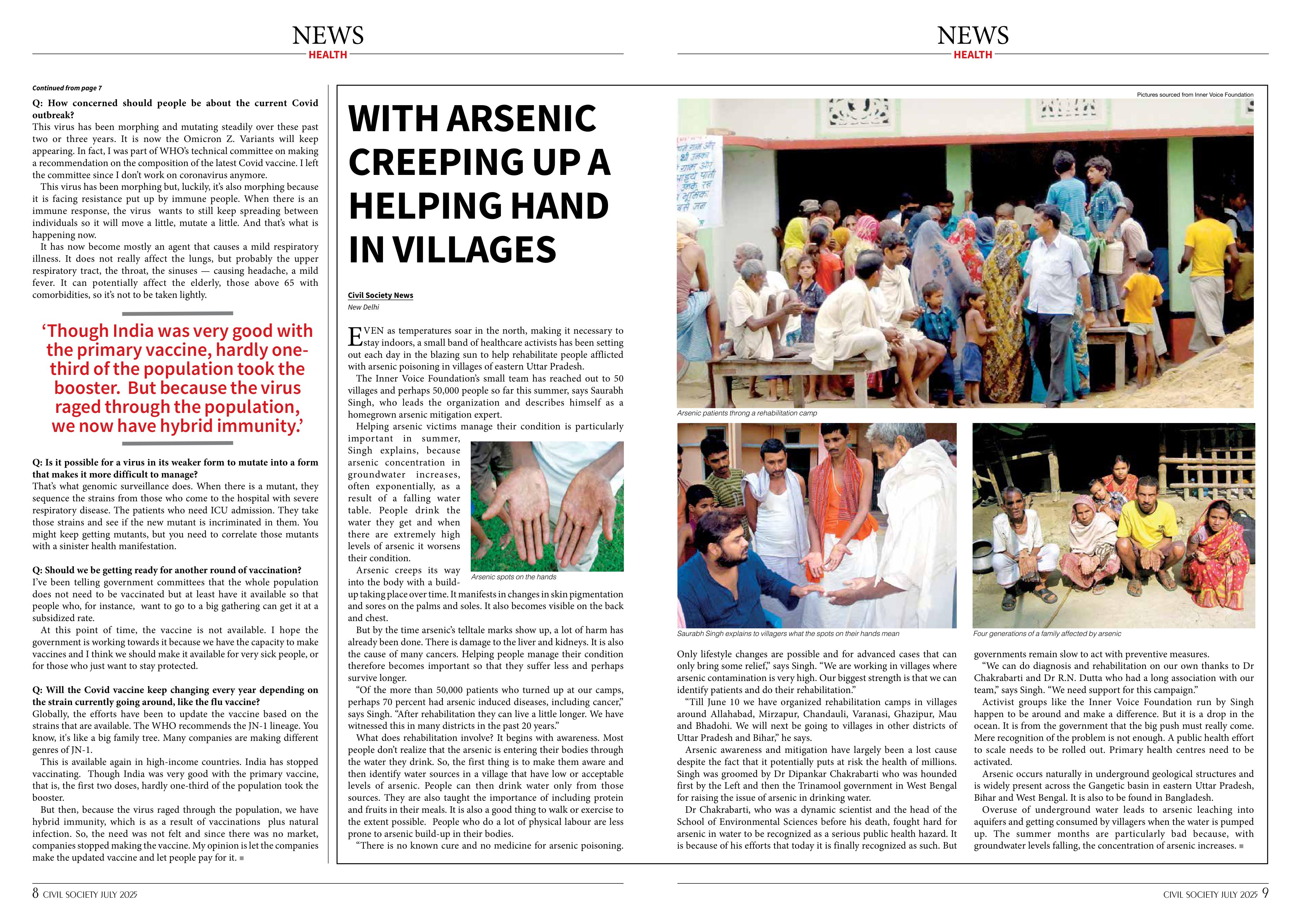
Listen to Saurabh Singh about Arsenic crisis in the villages of the Gangetic Region in India:
Loss of livelihood opportunities for youth due to drinking Arsenic laced water in villages